
In a major development on Nigeria’s northwest security front, the United States military carried out a series of airstrikes in Sokoto State on Thursday night (Dec. 25), targeting militants linked to the Islamic State (ISIS). The operation, described by the US government as a precision counter-terrorism strike, was confirmed by both American and Nigerian authorities early Friday morning.
According to the United States Africa Command (AFRICOM), the strikes were conducted “at the direction of the President of the United States and the Secretary of Defense,” with the stated aim of neutralizing ISIS terrorists operating in northwest Nigeria. The military said multiple ISIS fighters were killed in the operation and that the mission was carried out in coordination with Nigerian security officials.
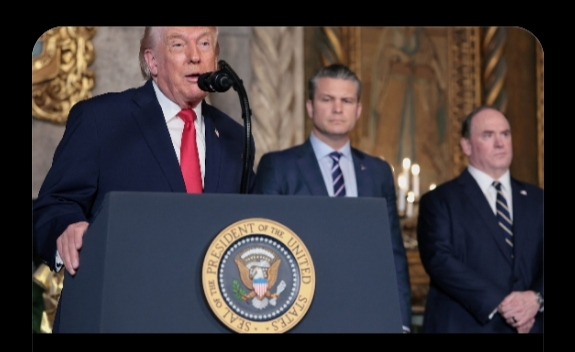
In a social media statement posted late Thursday, President Donald Trump called the strikes “powerful and deadly,” targeting fighters he accused of “viciously” attacking predominantly Christian communities across Nigeria. Trump wrote that the operation was ordered after warnings earlier in 2025 that the U.S. would intervene if violence against Christians continued.
The Nigerian Ministry of Foreign Affairs acknowledged the operation on Friday, describing it as part of ongoing security cooperation between Nigeria and international partners. In a statement, the ministry said the airstrikes resulted from “precision hits on terrorist targets” and were grounded in shared intelligence and joint efforts to tackle violent extremism in the region.
Local Response from Sokoto
Residents in parts of Sokoto reported hearing loud explosions late on Thursday night, particularly in rural areas around Jabo town in Tambuwal Local Government Area, where an object believed to be part of the strike fell and detonated in a bush, producing a bright flash and a powerful blast that startled families.
At the time of reporting, there have been no independent confirmations of civilian casualties from local authorities or credible observers, and Nigerian officials have not released casualty figures for the Sokoto strikes.
Context and Controversy
The airstrikes represent a significant escalation of U.S. military involvement in northern Nigeria’s security landscape, where armed groups such as Boko Haram and ISIS-linked factions have been active for years. While the U.S. frames the operation as a counter-terrorism effort, some analysts have questioned both the accuracy of militant threat assessments in Sokoto and the long-term effectiveness of foreign strikes in addressing Nigeria’s complex security challenges.
Nigeria’s government has repeatedly emphasized that armed violence afflicts all communities — Christians and Muslims alike — and insists the country’s multifaceted security crisis cannot be reduced to attacks on any one group.
What Happens Next
Security forces in Sokoto are reported to be on alert following the strikes, with local military sources saying the area is being watched closely for militant movements in the aftermath of the U.S. operation.
As investigations continue into the scope and impact of the December 25 strikes, both Nigeria and the United States have stressed their commitment to collaborating against violent extremism — even as debates persist about the proper role of foreign military involvement on Nigerian soil.