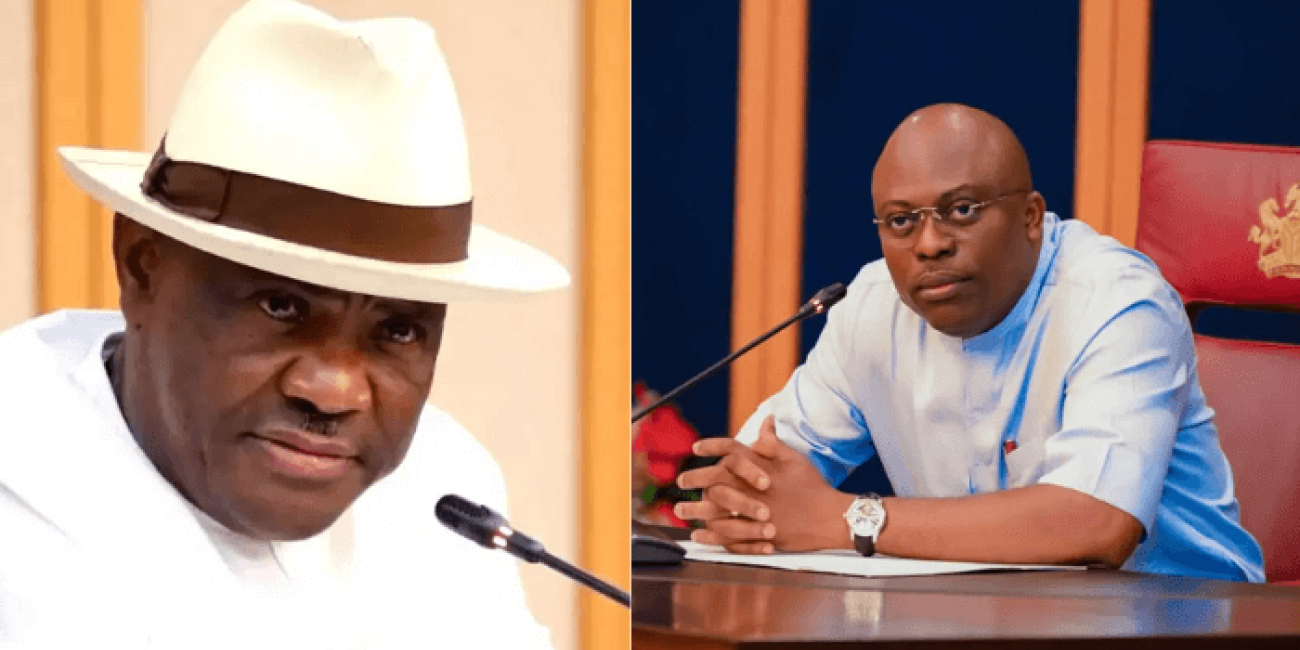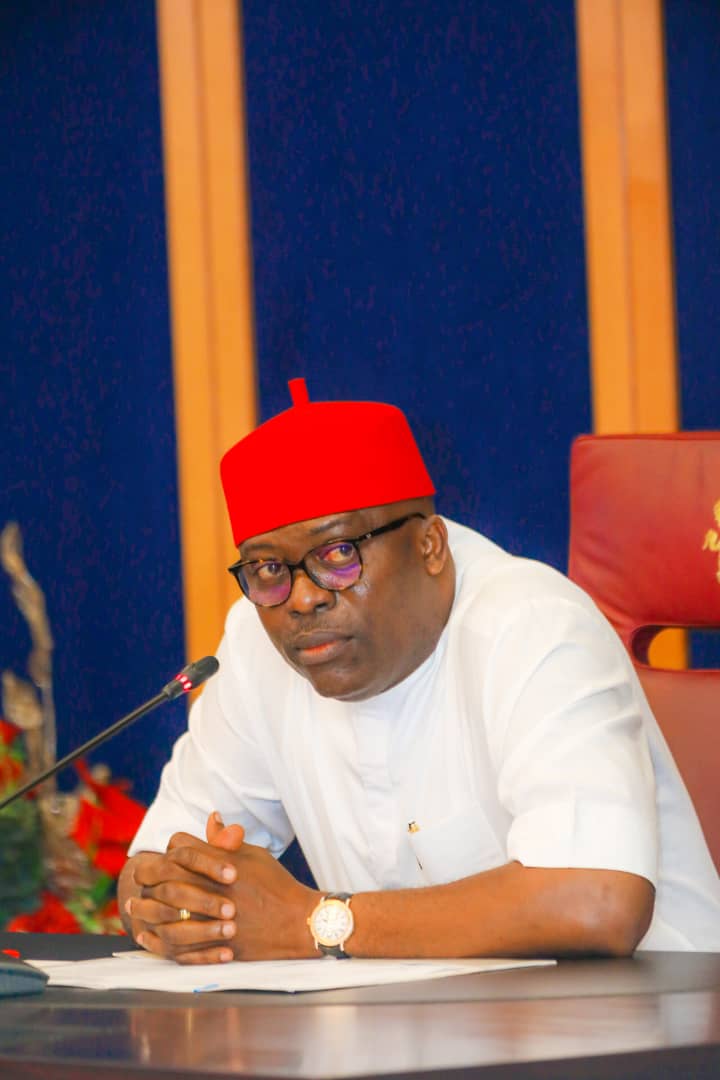


Port Harcourt — The political landscape in Rivers State has undergone a dramatic shake-up ahead of the 2027 general elections. Governor Siminalayi Fubara’s defection to the All Progressives Congress (APC) and his rise as the party’s top-ranking figure in the state have reshaped alliances, weakened old power structures, and raised questions about the continued political influence of his former mentor, Nyesom Wike.
Fubara’s New Political Direction
Once a close protege of Wike and a rising star within the Peoples Democratic Party (PDP), Fubara took a surprising turn in December 2025 when he formally joined the APC. Receiving his membership card with registration number “001,” he declared himself the party’s leader in Rivers State. Fubara framed the move as a strategic alignment with President Bola Tinubu’s agenda, emphasizing the need to fast-track development by coordinating state and federal governance.
The shift is more than symbolic. For the first time, a sitting governor is leading the federal ruling party in an oil-rich state historically dominated by the PDP, signaling a significant realignment of political forces in Rivers.
Impact on Wike’s Influence
As former governor and current Minister of the Federal Capital Territory (FCT), Wike has long been Rivers State’s most powerful political broker. His endorsements and control of party structures once heavily dictated political outcomes in Port Harcourt and across the state.
Fubara’s departure from the PDP and emergence as the APC’s top figure has diluted Wike’s influence, potentially undermining any ambitions he may have for a national political role beyond his ministerial office. While Wike still wields federal-level influence and retains loyal PDP supporters, his ability to shape Rivers politics has been considerably weakened by Fubara’s defection and the migration of key lawmakers to the APC.
Peace Deals and Political Rivalries
Tensions between Fubara and Wike have prompted at least one nationally brokered peace effort by President Tinubu in 2025, intended to resolve ongoing disputes within the state. Reports suggest the agreement included an understanding that Fubara would forego a 2027 re-election bid, though the durability of this pact remains uncertain.
The rivalry between the two leaders has occasionally spilled over into governance, affecting decisions on state structures and the distribution of resources.
Looking Ahead to 2027
As Rivers State gears up for the 2027 elections, several scenarios could shape the outcome:
1. Fubara Consolidates APC Dominance:
As APC leader in the state, Fubara could expand his support base beyond early backers, leveraging federal connections and party machinery. A successful consolidation could allow APC to challenge the PDP’s historical dominance across councils and legislative seats.
2. Wike Maintains a Political Network:
Although sidelined within the state party, Wike still controls federal patronage and commands loyalty from segments of the PDP. Strategic endorsements, support for national candidates, or legislative allies could keep him politically relevant.
3. A Divided Electorate:
Internal fragmentation in both the PDP and APC could split votes, creating unpredictable outcomes. Rivers, with its large voter population and strategic importance, may emerge as a swing state in presidential and other national contests.
4. PDP’s Revival or Decline:
If Wike can rally disaffected voters and forge alliances, the PDP may remain competitive. Conversely, ongoing defections and internal divisions could consolidate APC’s hold on the state.
The Bigger Picture
Rivers State, as Nigeria’s oil revenue powerhouse, holds outsized influence on national politics. Whoever controls its political machinery and voter base will not only shape the 2027 gubernatorial race but could also affect outcomes in the presidential and National Assembly elections.Whether Wike can still steer his political future depends on his ability to adapt to shifting dynamics, form new alliances, and redefine his role in a landscape increasingly shaped by his former protégé’s rise. One thing is certain: Rivers State’s politics in 2027 promises to be high-stakes, fiercely contested, and closely watched nationwide.